
Bamboo spreading from one property to another is one of the most common, and most stressful, reasons homeowners contact NJ Bamboo Landscaping. In many cases, the bamboo is not something either homeowner planted intentionally. It was installed years ago as a privacy hedge by a previous owner, or it was already established when the current homeowners bought the home.
Unfortunately, bamboo doesn’t care whose name is on the deed. And in many situation property lines can be a bit unclear. Even with a survey map it can be very difficult to know where and how far the bamboo has spread without clear survey markers in the ground.
Running bamboo spreads through underground rhizomes that can travel well beyond the visible grove before new shoots appear. That means by the time you notice bamboo in your yard, it may have already been spreading beneath the surface for years. This is especially common along fence lines, property edges, wooded borders, and mulched planting beds where bamboo can expand undisturbed.
If you’re dealing with bamboo encroachment from a neighboring property. or if a neighbor is claiming your bamboo is spreading into theirs, this page will walk you through what’s happening, what your options are, and what steps to take next.
Free On site Evaluations and Estimates
Contact Us Today!
Why Bamboo Disputes Between Neighbors Are So Common
Most bamboo conflicts start the same way: ( and we see it almost every week )
A homeowner notices bamboo shoots popping up on their side of a fence, near a foundation, in a planting bed, or along a property line. They assume it’s a small problem, until it keeps returning, spreads farther, and becomes harder to control.
From a bamboo removal specialist’s perspective, these situations are common because running bamboo tends to spread in predictable ways:
It travels underground, often close to the surface, and emerges wherever it finds softer soil, mulch, or less disturbance. Once it crosses into a neighboring yard, it can begin establishing a new grove that looks “separate,” even though it’s still connected to the original source.
By the time a dispute starts, both homeowners may feel stuck:
One homeowner wants it fixed immediately.
The other homeowner may not see it as their responsibility, may not want the expense, or may not believe the bamboo can be controlled.
This is exactly the type of situation NJ Bamboo specializes in solving.
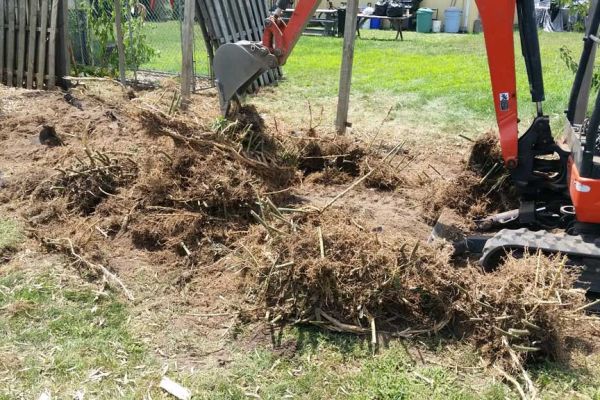
First: Confirm It’s Running Bamboo (Not Something Else)
Before anyone starts digging, cutting, spraying, or arguing, the first step is confirming what type of bamboo you’re dealing with.
In New Jersey and Pennsylvania, the bamboo problems we’re called for are almost always related to temperate running bamboo species, which spread aggressively through rhizomes.
If you’re unsure what you have, start here:
- Identify where the new shoots are appearing
- Look for repeated growth in the same areas each spring
- Check whether the bamboo is popping up far from the visible grove
This matters because the correct solution depends on whether bamboo is simply growing nearby, or whether it has actually established a connected underground system on your property.
My Neighbor’s Bamboo Is Growing Into My Yard: What Should I Do First?
The Hidden Problem: Bamboo Spreads Underground Before You See It
A common comment we hear from homeowners is:
“I’ve only seen bamboo up to here.”
But once we begin excavation or tracing rhizomes, we often find that the bamboo has already spread much farther than expected — sometimes 20 feet, 40 feet, or more beyond the main grove depending on soil conditions and how long it has been established.
In many cases, homeowners cut bamboo shoots every year and assume it’s under control. However, cutting shoots may prevent new canes from growing tall, but it does not automatically stop underground expansion. Rhizomes can continue to travel and build energy until bamboo reappears in areas that aren’t regularly mowed or disturbed.
How far bamboo rhizomes can spread
The Most Common Scenario: Bamboo Crossing the Property Line
The majority of neighbor bamboo disputes involve bamboo spreading through one of these areas:
Fence lines and property boundaries
Mulched beds along a neighbor’s landscaping
Wooded edges where growth is hidden
Side yard corridors where bamboo spreads unnoticed
Rear property lines where no one monitors regularly
Bamboo spreads most easily along property edges because those areas often receive less regular mowing, digging, or maintenance. Bamboo can also travel under fences, under brush lines, and even beneath tree roots.
Bamboo Spreading Under a Fence Line: Why It Happens and How To Stop It
What If Your Neighbor Refuses to Remove the Bamboo?
This is one of the most common situations we see:
A homeowner wants bamboo removed, but the neighbor refuses to do anything about it.
In those cases, the best solution is often a professional bamboo containment barrier installed along the property line to stop continued spread.
Containment barriers can be extremely effective when installed correctly. The goal is to create a physical underground boundary that prevents rhizomes from crossing into the affected property. This is especially common in New Jersey and Pennsylvania where bamboo has become a known issue and neighbors want a clean resolution without escalating the dispute.
However, it’s important to understand:
Containment barriers stop future spread, but they do not remove bamboo that is already established on your property. If bamboo has already spread beyond the property line and begun forming new growth in your yard, you may still need removal on your side to eliminate regrowth.
That’s why many neighbor bamboo solutions involve a combination of:
Removal on the affected property
Containment along the property line
Optional containment or management on the source side if possible.
However many times when the bamboo is growing right up against a fence line getting a proper barrier in place can be extremely difficult. This requires the bamboo to be cut and excavated a safe distance away from the fence and for equipment access. In many situations the amount of bamboo that needs to be removed to access the site for a proper barrier is close to removing all of the bamboo. In these cases sometimes the cost of the removal and containment can exceed the complete removal costs.
When Neighbors Split the Cost (And Why It Works Better)
While neighbor conflicts can be difficult, we also work with many homeowners who take the opposite approach:
They work together.
It’s very common for two neighbors to split the cost of bamboo removal when the bamboo is affecting both properties. In these situations, both homeowners benefit:
The bamboo is removed more completely
There is less risk of regrowth and re-infestation
The property line is addressed properly
The project can be scoped once instead of twice
Shared projects are often more efficient because our team can access both sides of the bamboo spread, trace rhizomes accurately, and remove connected growth that would otherwise remain hidden. This is especially valuable when bamboo has spread along a long fence line or has established a multi-directional rhizome network.
Who Pays for Bamboo Removal When It Spreads Between Properties?
Bamboo Ordinances, Complaints, and Code Enforcement
Bamboo disputes often escalate when ordinances get involved.
Many municipalities across New Jersey and Pennsylvania now regulate bamboo spread, especially when it crosses property lines. In some towns, homeowners may file a complaint when bamboo enters their yard. In other cases, the town may become involved after repeated disputes or visible encroachment.
A common misconception is that an ordinance instantly assigns responsibility or makes the situation “simple.” In reality, ordinances often set expectations for containment and compliance, but every property situation is different.
This is where NJ Bamboo Landscaping can help. We routinely work with homeowners dealing with:
Town or township complaints
Code enforcement involvement
Property management concerns
Real estate transactions involving bamboo
Situations where the bamboo was inherited, not intentionally planted
We understand how these situations unfold in the real world, and we can often help homeowners navigate the process in a way that avoids unnecessary escalation.
Understanding Bamboo Ordinances: what Homeowners need to know
Why NJ Bamboo Is Different in Neighbor Bamboo Situations
Neighbor bamboo disputes are not like standard landscaping work.
A normal landscaper may be willing to cut bamboo down or clear visible growth, but bamboo problems almost always require an understanding of what’s happening underground, how rhizomes branch, and how to stop regrowth permanently, especially when two properties are involved.
NJ Bamboo Landscaping specializes exclusively in bamboo. A large portion of our work involves property-line containment and removal in situations where:
Bamboo is shared between two yards
A homeowner wants removal but a neighbor refuses
Both homeowners want a permanent solution
Ordinances require action
The bamboo has been disturbed improperly and spread farther
We commonly provide site evaluations, written scopes, and documentation that makes it easier for neighbors to agree on a plan and for towns to understand the corrective approach. This documentation is very important, especially if a town is involved. At NJ Bamboo we submit our proposal to the code enforcement for sign of Before starting any work. Many ordinances give the code enforcement office a good amount of discretion. Having the plan signed off ensures no future complications down the road for you or any future owner of the property.
Many of our projects also include removal from adjacent properties when access and cooperation are available, because the best results happen when the full spread is addressed properly.
What To Do Next (The Best First Step)
If bamboo is spreading into your yard, the best first step is not guessing, spraying, or digging randomly. The best first step is understanding how far it has spread and what type of solution makes sense for your property.
NJ Bamboo Landscaping can evaluate the situation and recommend one of three outcomes:
A complete and guaranteed bamboo removal
A property-line containment solution to stop future spread
A hybrid approach that removes bamboo on one side and contains future spread along the boundary
If you’re dealing with a neighbor dispute, we can also help structure the plan in a way that is clear, realistic, and based on what is actually happening underground, not assumptions.
Bamboo Removal NJ
Bamboo Removal PA
Contact Us Today!
Neighbor Bamboo FAQ (NJ & PA)
How do I know if my neighbor’s bamboo is spreading into my yard?
If new bamboo shoots are appearing on your property, especially along fences, property edges, planting beds, or areas that aren’t mowed regularly, there is a strong chance that running bamboo rhizomes have crossed underground. Bamboo often spreads underground long before it becomes visible above ground.
As a rule of thumb it usually takes new rhizomes about 1 year to harden off before they can start to produce substantial above ground growth. That means where you see new shoots emerging, this bamboo had already spread into this location the year prior. If during the planting window that bamboo has already started spreading further passed where you can see the growth.
Can bamboo spread under fences and property lines?
Yes. Bamboo rhizomes commonly spread under fences and emerge several feet beyond the visible grove. Fence lines are one of the most common places we find bamboo spread because the soil is often undisturbed and easy for rhizomes to travel through. Most bamboo in NJ and PA was planted for privacy applications along fence lines and property boundaries. When not properly installed or contained within 1 – 3 years of the installation the bamboo roots can start rapidly spreading in all directions.
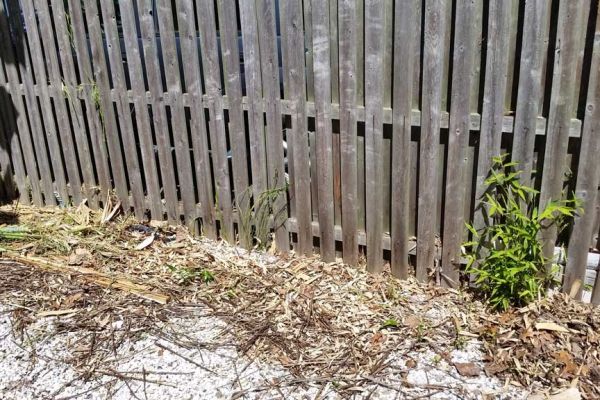
What if my neighbor refuses to remove the bamboo?
If a neighbor refuses to remove the bamboo, a professionally installed rhizome barrier along the property line is often the best long-term solution to stop continued spread. In many cases, bamboo already present on your property may still need removal to prevent regrowth. Rhizome barriers work best when the area is clear of any obstructing mature trees. For rhizome barriers to be effective they need to be installed 30″ below grade. If there are large mature trees on or near the property line this can affect proper barrier installation. Sometimes we need to adjust the barrier further into the property to avoid any damage to the tree roots, or have the tree removed prior to the barrier installation.
Do I need to remove bamboo from both properties for it to stop coming back?
Not always, but the best long-term results usually happen when the full spread is addressed. If bamboo remains established on a neighbor’s property, it may continue to push pressure toward the property line. This is why property-line containment or cooperative removal is often recommended. If only the roots are removed but not preventative measures are put in place, this can cause additional costs and property disturbance down the road as the same areas may need to be excavated again.
Do bamboo ordinances mean bamboo must be removed?
Not necessarily. Ordinances vary by town and municipality. Some require containment and maintenance, while others restrict new plantings or require corrective action once bamboo spreads beyond property lines. We help homeowners understand the practical steps needed for compliance.
Bamboo ordinances can be very confusing not all are well written and some are very specific and require inspections. There are also sometimes different governing subsections depending on when the bamboo was planted. Either before or after the implementation of the ordinance.
When containing bamboo many ordinances require property line offsets which can vary widely. From containing the roots to your property to a minimum distance of 40 feet+.
Its important to work with a company who understands the ordinances so you do not get into a project that is larger than needed, or worse not properly completed the first time.
Some bamboo ordinances can be a bit vague, sometimes intentionally, which gives the code enforcement officer more control of the outcome. Its important to submit plans ahead of time, get written confirmation the plan meets or exceeds requirements, and is signed off on before starting any work.
Can NJ Bamboo help if bamboo is involved in a real estate transaction?
Yes. Bamboo can complicate home sales when it is established along property boundaries or has spread beyond the original planting area. We can provide evaluations and documentation to help homeowners understand the scope and cost of corrective work.
It is not uncommon to have our reports used in negotiations. Depending on the size of the project bamboo removal can get very expensive.
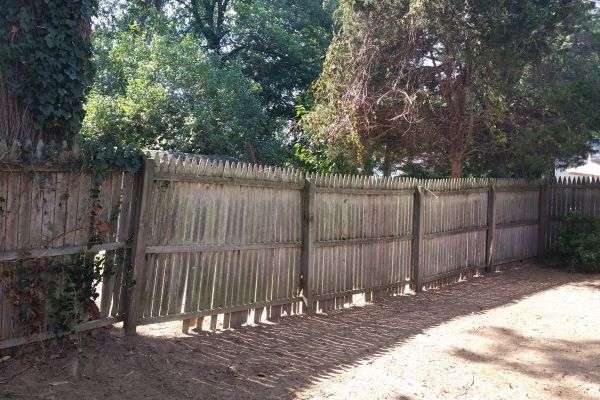
Want Help Solving a Neighbor Bamboo Problem?
If bamboo is spreading into your yard, or a neighbor is claiming it is spreading into theirs, NJ Bamboo Landscaping can help you identify what’s happening underground, recommend the best approach, and create a plan that actually solves the problem long-term.
Contact us today for a site evaluation and professional guidance.
Contact Us Today!
Recent Comments